Camping Guides
Class A vs Class C Motorhome: Which One Fits You?
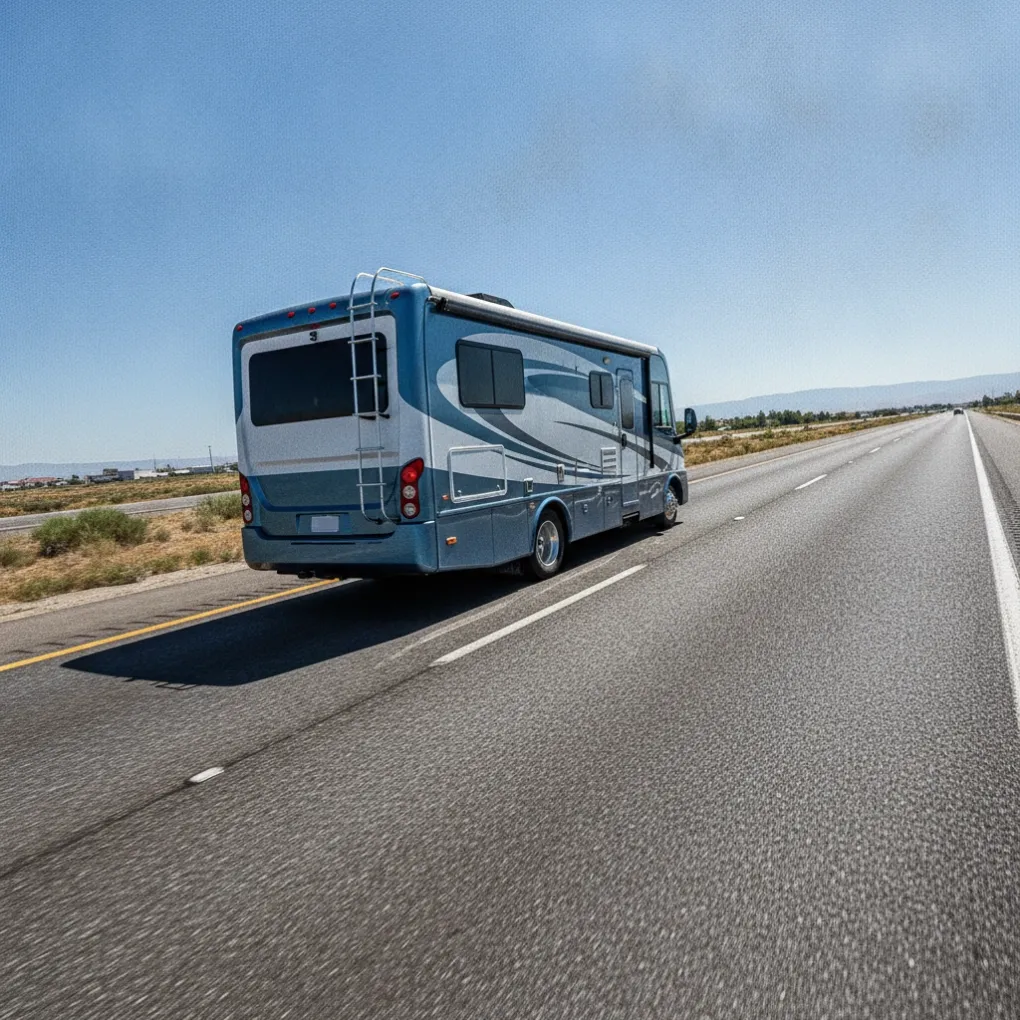
Class A vs Class C motorhome is the first choice most motorhome buyers have to make, and it is really a choice about how you want to travel. The short answer is this: a Class A gives you the most space and the most luxury, and a Class C gives you the easiest driving and the lowest cost. If you plan to live in your RV full-time, start with Class A. If you are buying your first motorhome for family weekends, start with Class C.
A Class A motorhome is built on a heavy-duty motorhome or bus chassis, with a flat front and a huge panoramic windshield. It looks like a tour bus, because that is basically what it is. Most Class A coaches run about 25 to 45 feet long. A Class C is built on a cutaway truck or van chassis, such as a Ford E-Series or a Mercedes-Benz Sprinter, with a normal truck front and a sleeping area over the cab. You can spot a Class C from a long way off by that cab-over bunk. Most Class C coaches run about 20 to 38 feet long.
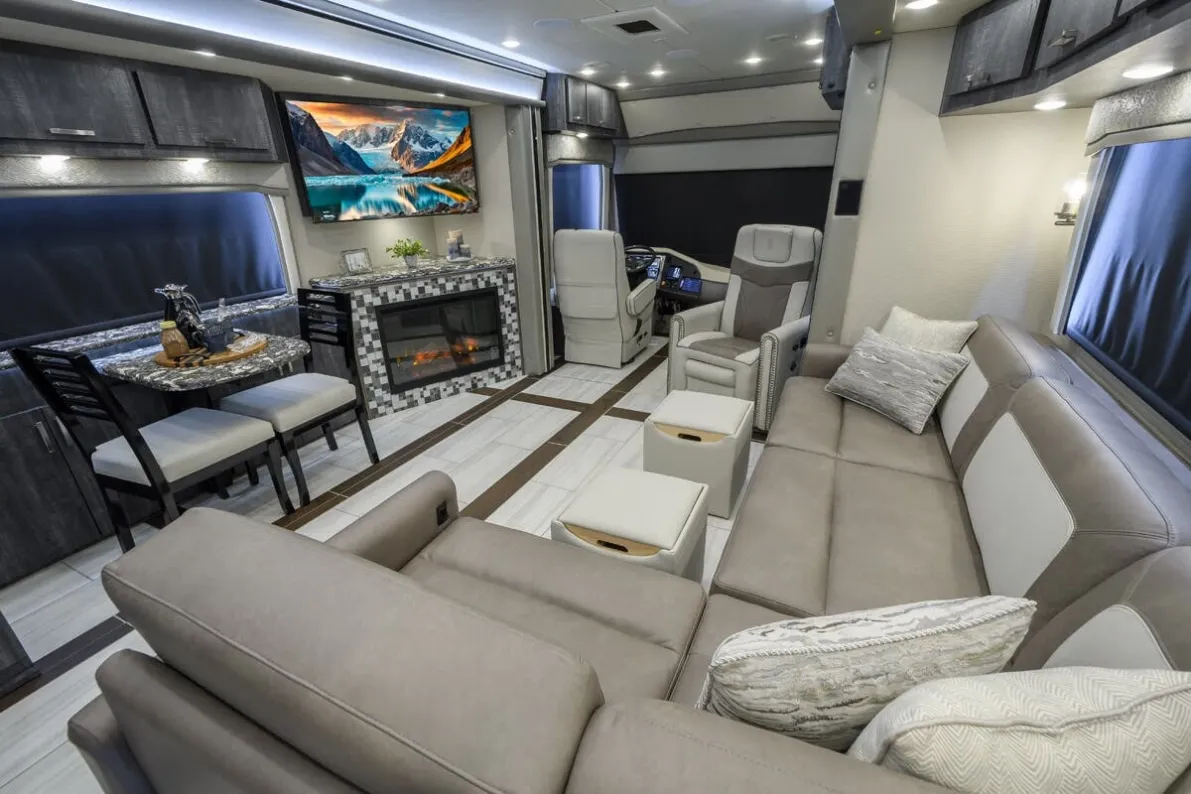
Living space is where the Class A wins clearly. The flat front means more usable interior length, and large slide-outs open up the living area even more once you park. You get a full kitchen, a private bedroom, and in larger models, a residential-size fridge and a washer and dryer. Storage is generous, with big exterior basement compartments you can reach from outside. A Class C is smaller, but modern Class C coaches with slides can still feel surprisingly roomy. The cab-over bunk is a bonus for families, because it adds a sleeping area without taking space from the living room. The kitchen and bathroom are real, just smaller, and exterior storage is good but not as deep as a Class A.
Driving is where the Class C wins. It drives like a large truck or van, which feels familiar to most drivers. Visibility is better on the sides, the shorter length makes campgrounds and fuel stops easier, and parking is far less stressful. A Class A drives like a bus. On the highway it is stable and comfortable, with a high, commanding view. In towns, tight campgrounds, and small fuel stations, it takes practice and patience. As a rough market guide, Class A fuel economy is commonly about 6 to 10 miles per gallon, while Class C is commonly about 10 to 15. Neither is cheap to run, but the Class A costs more at every fill-up.
Cost follows size. As a general market background, not our price list, new Class C coaches commonly start around $75,000 to $200,000, while new Class A coaches commonly start around $150,000 and run past $500,000 for luxury diesel pushers. Insurance, maintenance, and tires also cost more on a Class A. A Class C is cheaper to service, because more mechanics know its truck chassis, and parts are easier to find on the road. That matters more than most first-time buyers expect. A breakdown far from home is bad enough without waiting a week for a part.
So which one fits you? Choose a Class A if you want maximum space, you plan long trips or full-time living, you like a big windshield and a living room feel, and you are ready to practice driving a large coach. Choose a Class C if you want your first motorhome to drive like a big truck, you need extra beds for kids or friends, you take weekend trips and two-week vacations, and you want a lower price to start. Families and first-time owners usually land on Class C. Full-timers, retirees, and large families usually land on Class A. And if you are torn between them, remember there is also Class B, the camper van, which is smaller still and parks almost anywhere.
Do not forget Class B, the third option. A Class B is a converted van, about 16 to 24 feet long, sleeping two to four people. It is the smallest motorhome, the easiest to drive and park, and the most fuel-efficient, commonly about 18 to 25 miles per gallon. The trade-off is space. A Class B has a small kitchen, a small bathroom, and limited storage, and it feels tight for more than two people on a long trip. It is the right choice for solo travelers and couples who move often and value freedom over room. If your trips are mostly weekends for two, a Class B may fit you better than either a Class A or a Class C.
Maintenance and insurance are part of the real cost, and they differ by class. A Class A has bigger tires, bigger brakes, and more systems to maintain, including slide-outs, leveling jacks, and large generators. Its windshield alone can cost far more to replace than a Class C windshield. A Class C uses a truck chassis, so more shops can work on it, parts are easier to find, and routine service costs less. Insurance follows the same pattern, with Class A coaches costing more to insure than Class C coaches of similar age. When you compare two coaches, ask for insurance quotes on both before you decide. The difference over five years can be larger than the difference in purchase price.
The best test is not a brochure. It is sitting inside both. Lie down on the bed, stand in the shower, open the fridge, and try the driver's seat. If you can, drive both on a real road, not just around a dealer lot. If you want help choosing, contact DAN at Touring Car Supplier — 1367852516@qq.com or 008613860654699 — and tell us how many people travel, how long your trips are, and where you like to camp. We will help you pick the class that fits your life, not just the biggest one.