Camping Guides
How Much Does a Camper Van Really Cost in 2026?
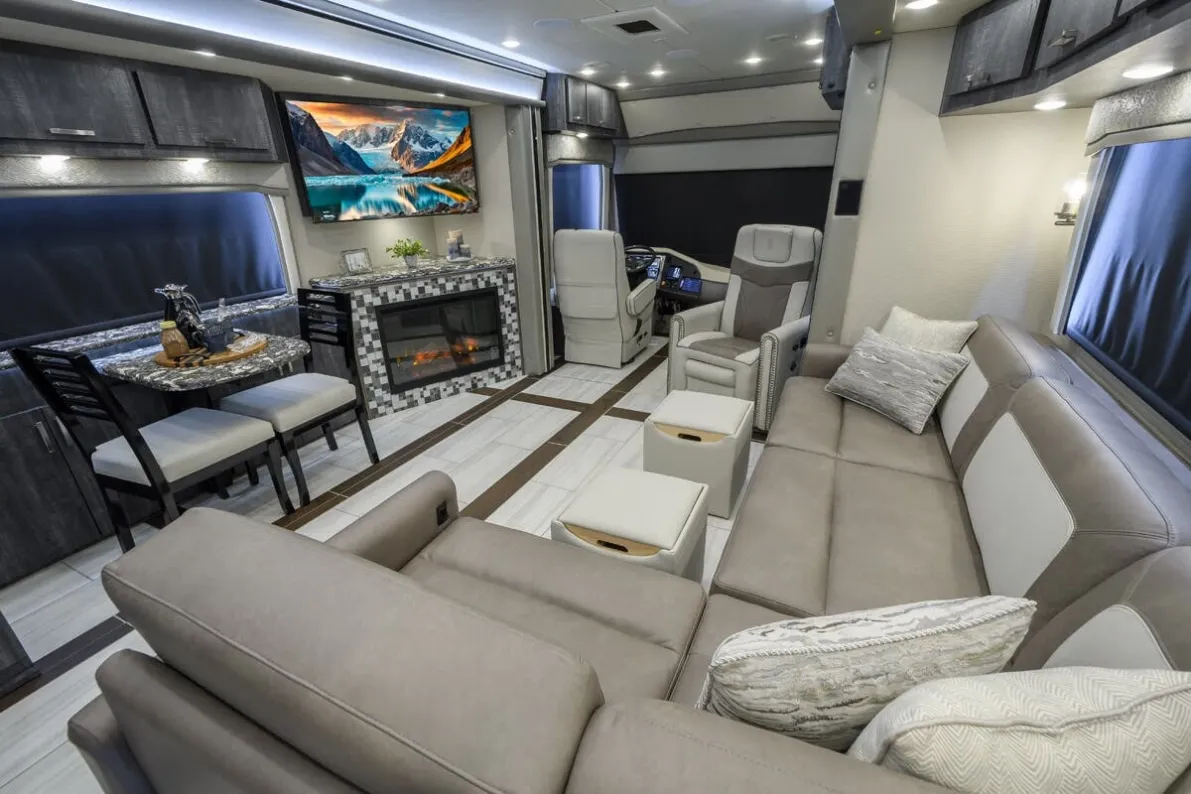
Ask ten camper van owners what their van cost and you will get ten different answers — anywhere from a few thousand dollars to more than $300,000. That is not because anyone is hiding the truth. It is because "camper van" covers three very different things: a used van you convert yourself, a professionally converted van, and a factory-built Class B motorhome. The price depends on which one you mean, and on what you want the van to do.
Here is how the money actually breaks down, in the order that matters when you set a budget.
- What decides the price
Three things move the price more than anything else: the base van, the level of the build, and who does the work.
The base van is usually the single biggest cost. A used Ford Transit, Mercedes Sprinter or Ram ProMaster in decent shape commonly runs about $10,000 to $40,000, depending on age and mileage, while a new one starts around $35,000 to $58,000. Older budget vans such as a Chevy Express or Ford Econoline can be found for a few thousand dollars, but expect more maintenance.
The build is the second cost. A basic DIY fit-out — insulation, a bed, simple electrics and a small water system — can be done for a few thousand dollars in materials. A full build with lithium batteries, solar, a diesel heater, a shower and custom cabinetry costs far more, in parts alone.
The third cost is labour. Doing it yourself costs weekends. Paying a professional converter costs money — typically two to four times the DIY build cost for the same specification — but you get expertise, a warranty, and your weekends back.
- The three market ranges
These are market background figures from current 2026 guides, not our price list. Use them to set expectations, not to price a specific van.
Budget DIY — roughly $7,000 to $13,000 all in. An older, cheap base van plus a simple self-build. It sleeps and cooks, and it is the cheapest way into van life. Expect basic comfort and regular maintenance on an older van.
Mid-range DIY or used converted — roughly $27,000 to $40,000 all in for a DIY build, or about $20,000 to $50,000 for a used compact van with a basic conversion. A tidy used van, a proper electrical system, insulation, and a real kitchen and bed. This is where most first-time buyers land.
Professional conversion or factory-built Class B — roughly $70,000 to $100,000+ for a premium DIY or professional conversion, and $65,000 to over $300,000 for a factory-built Class B motorhome. New factory-built models commonly start around $100,000 and move past $200,000 once bathrooms, premium finishes, large battery systems and four-season packages are added.
The gap between the cheapest and the most expensive option is roughly forty times. That is why the first question is never "how much does a camper van cost?" but "which kind of camper van do I actually need?"
- The costs buyers forget
The purchase price is only the first bill. Before you set a budget, add these:
- Insurance and registration. A converted van can cost more to insure than the base van did, and registration rules for a converted vehicle vary by state and country. Get a quote before you buy, not after.
- Maintenance. An older cheap van is cheap to buy and expensive to keep. Budget for tyres, brakes, and a timing belt on a high-mileage van.
- Fuel. A camper van is heavier and less aerodynamic than the empty van it started as. Fuel is a real monthly cost on long trips, and it grows with every extra kilo of gear and water.
- Campsite fees. Free overnight stops exist, but most nights on the road are paid sites. A month of paid campsites can cost more than the van's monthly insurance.
A good rule is to keep 15 to 20 percent of your total budget unspent after the purchase, for the first year of running costs and the fixes every used van needs.
- How not to overpay
Decide the use first, then the budget. Weekend trips for two need a very different van from full-time living for a family. Write down how many people sleep in it, how many nights a year you will use it, and whether you need a shower and toilet on board. That list eliminates half the options — and half the price range — before you spend anything.
Buy the van, then build in stages. Start with a bed, power and water. Camp in it for a few weekends close to home, and only then decide whether you need more solar, a bigger battery, or a fixed toilet. Many buyers spend thousands on features they use twice.
Compare the same thing. A $30,000 DIY van and a $120,000 factory Class B are not the same product at different prices — they are different products. Compare DIY with DIY, professional with professional, and factory with factory, and check what each price actually includes: batteries, solar, heating, warranty, and after-sales support.
There is no single right price for a camper van. There is a right price for the way you travel. Set the use first, hold back money for running costs, and let the van earn its upgrades one trip at a time.
Thinking about a camper van or a larger motorhome? Our luxury Class A motorhome for full-time living is listed under Luxury RVs. Tell us how you travel and we will help you pick the size that fits.
Contact DAN — 1367852516@qq.com — 008613860654699 — Nanchong Jialing Shenghang Special Vehicle Co., Ltd., RV Industry Park, Jialing District, Nanchong City, Sichuan Province.